
Courses
Summer semester 2026
| Dozent: | Prof. Dr. Wolfgang M. Schröder |
| Zeit: | Wed, 10 - 12 a.m. |
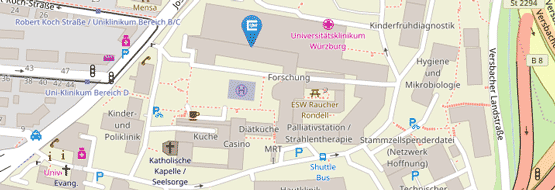
| Ort: | Seminar room 4, Bibrastraße 14 |
| Beginn: | 15 Apr 2026 |
| Inhalt: | Hermeneutics is the art and/or science of understanding sense and meaning as they are incorporated into texts, artworks, and musical compositions. Hermeneutics aims to unlock, unfold, and interpret what is encoded within these carriers of meaning and significance. The lecture begins with an introduction to the systematic and historical foundations of hermeneutical inquiry. It then traces, chronologically, exemplary turning points in the development of the hermeneutical project within the disciplines of philosophy, rhetoric, philology, and musicology. Literature and further materials for the lecture can be found digitally in the corresponding course room on WueCampus. The lecture slides will also be made available there after each individual session. |
| Dozent: | Prof. Dr. Wolfgang M. Schröder |
| Zeit: | Thur, 10 - 12 a.m. |
| Ort: | Seminar room 4, Bibrastraße 14 |
| Beginn: | 16 Apr 2026 |
| Inhalt: | Aristotle's "Nicomachean Ethics" is a foundational text of practical philosophy and, at the same time, a particularly human-centered, non-metaphysical theory and ethics of the good life. This reading seminar (exercise) aims to clarify, through detailed analyses of selected chapters, how Aristotle manages to find and substantiate arguments for an ethics as a theory of happiness (eudaimonia). Literature and further materials for the exercise can be found digitally in the corresponding course room on WueCampus. The slides for the exercise will also be made available there after each individual session. |
| Dozent: | Prof. Dr. Wolfgang M. Schröder |
| Zeit: | Tue, 16 - 18 p.m. |
| Ort: | Seminar room 4, Bibrastraße 14 |
| Beginn: | 14 Apr 2026 |
| Inhalt: | What cognitive and methodological prerequisites does "cognition" have? And what criteria distinguish "knowledge" from mere opinions? These two core questions will first be systematically clarified in the introductory lecture. Subsequently, key models of knowledge and epistemology from a historical perspective will be presented and discussed. The aim of the lecture is to provide an overview of the diversity of conceptions of knowledge and epistemology. Literature and further materials for the lecture can be found digitally in the corresponding course room on WueCampus. The lecture slides will also be made available there after each individual session. |
| Dozent: | Prof. Dr. Wolfgang M. Schröder |
| Zeit: | Wed, 16 - 18 p.m. |
| Beginn: | 15 Apr 2026 |
| Ort: | Zoom |
| Inhalt: | Philosophical investigations around the concept of ‘God’ is par excellence the project of a purely philosophically grounded, coherent discourse about God (theology). It generally does not presuppose divine (self-)revelation in the religious sense, but rather a coherent use of reason. Thus, it argues largely on its own rational, philosophical responsibility when it comes to developing and discussing the concept of ‘God’. Especially in the modern era, it develops its criteria and logics essentially independently of central institutions overseeing discourse. Ultimately, it designs and examines the extent to which one can speak meaningfully and concisely about God on the basis of coherently inferred reason alone. Literature and further materials for the lecture can be found digitally in the corresponding course room on WueCampus. The lecture slides will also be made available there after each individual session. |